

children's
independence: how to help them grow gently

No need to wait until they're older to see the small daily achievements. Whether it's grabbing a spoon, asking to use the potty, or getting their things ready for the next day, independence comes step by step — children grow and build confidence in themselves. They need encouragement, and we're here to support you in nurturing those little magical moments.

children's independence starts with a baby's natural reflexes

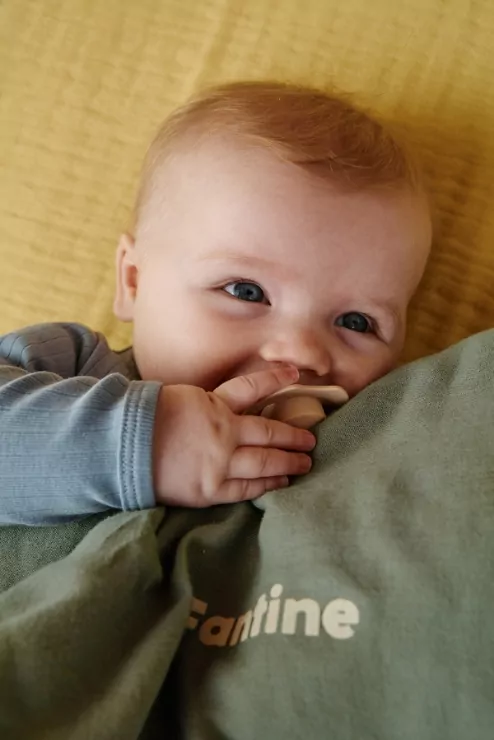
Independence is not a question of age — it's a reflex that finds its way into little ones' daily lives very early on. From their very first months, they observe, listen and imitate, which lays the first steps of their personal development.

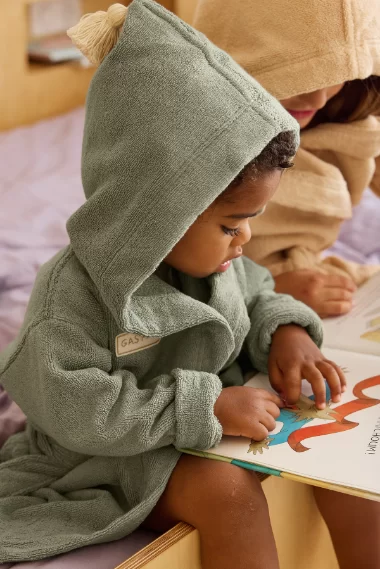
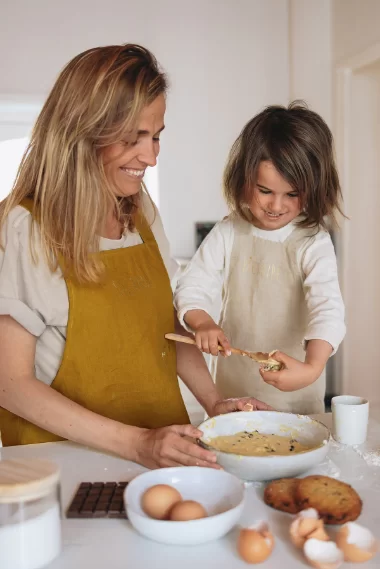
Little ones learn by watching you, even before they can talk or walk. This is called mimicry: children see you use a spoon or brush your hair — these are gestures they observe, remember and try out later. This reflex is a gateway to independence. To encourage mimicry, do things in front of them and talk to them, explain what you're doing, even mundane gestures like putting on your socks, or say "let's wipe our mouth." This is already giving them the keys to understanding, and when they do it on their own, they'll deserve a big well done. Independence is built with praise along the way.

the instinct
of mimicry

children's independence in everyday life: between small gestures and big discoveries

We don't need big victories to become independent. It's by trusting them and supporting them daily that they grow and become independent.

Identifying their needs and asking is more than just a word — it's a learning process.
Going to the toilet, being thirsty, wanting a toy: children need to learn to express their needs or wishes clearly, but also to accept that there isn't always an immediate response. This request can be made with simple gestures like pointing or going to fetch a parent.
It's important to acknowledge your child's request so they understand that it's the right thing to do and that they shouldn't pester.

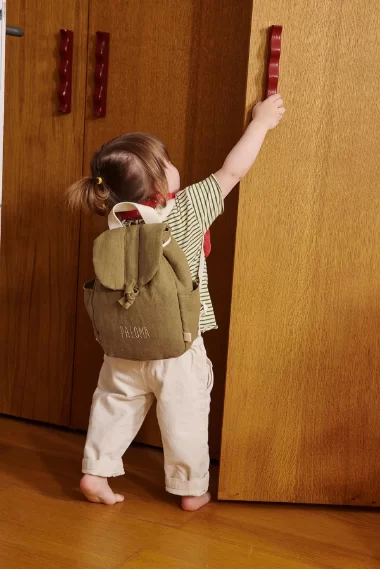
learning to ask

taking part in daily tasks

We think our little ones are too young to help us, yet asking them to set the table, tidy their toys, or take the laundry out of the basket are small gestures that give them a sense of being useful and boost their confidence. The goal isn't for the task to be perfect, but for them to understand that helping others with daily tasks matters. It's of course important to thank that effort so it is understood.

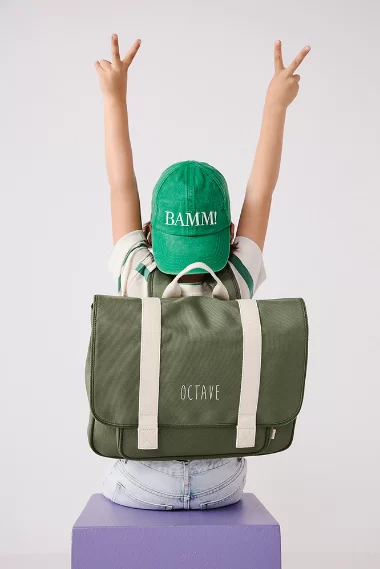
It's important to invite little ones to choose their outfit, or to get their things ready for the next day, and to remember to bring their comfort toy…
The goal is for them to understand how to organize, even if supervised. Involving them in daily preparations will make them proud, and they will gain independence (and you'll save time in the morning).

taking part in getting organized and ready

supporting them on this wonderful journey

Before reaching independence, we go through enthusiasm, but sometimes peppered with "I don't want to" or "I can't do it." At every step, we need to encourage them and show them they are capable.

encouraging and celebrating small victories

Did your little one manage to put on their trousers, but inside out? That's already a huge achievement! Learning also means making a few mistakes, a few imperfections. So yes, sometimes there will be mismatched socks, but the most important thing is to value the efforts made, encourage them to try and praise when it's done well — and that's where the magic happens.

Building confidence, letting them try, valuing their efforts: it's through these simple moments that little ones become independent, and you are the best guides to support them.

children's independence is built every day

Petit Picotin products that encourage independence

We love creating beautiful products, but above all useful ones, designed to make children want to do things on their own and feel proud.

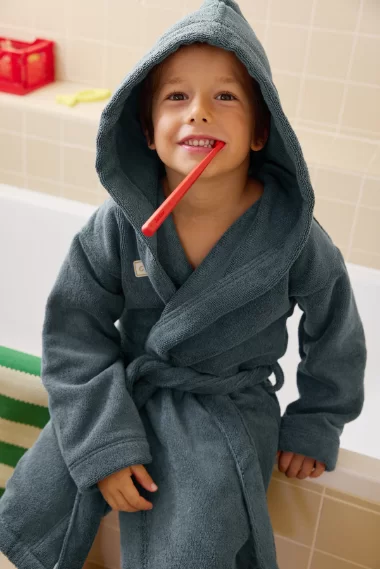
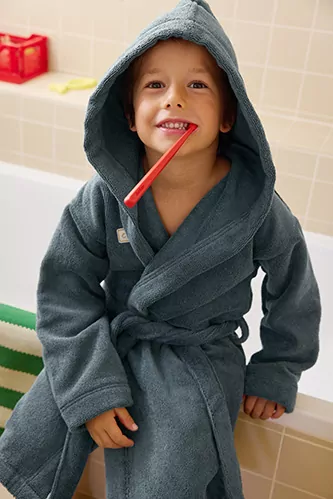
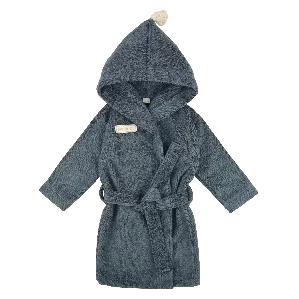
Lazare the bathrobe

75 €

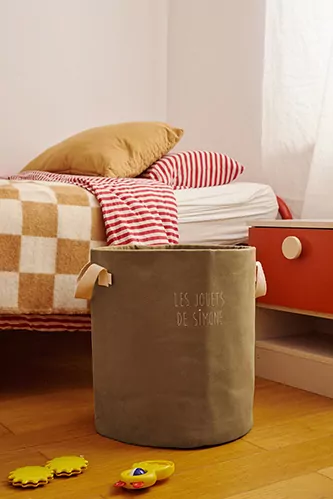
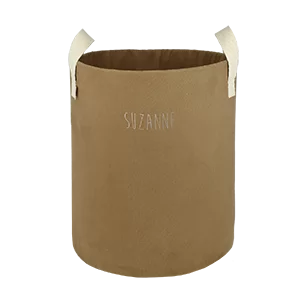
Roger the toy basket

69 €

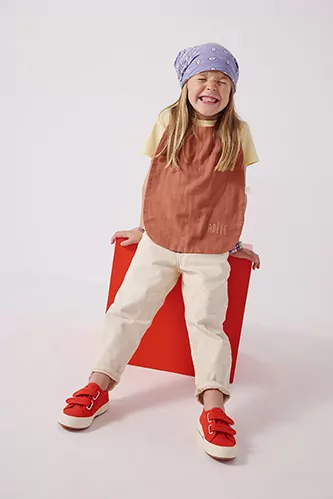
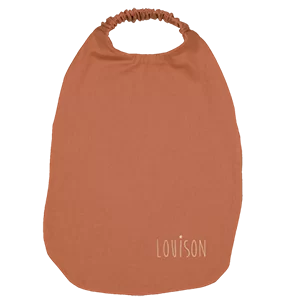
Gab the napkin

20 €

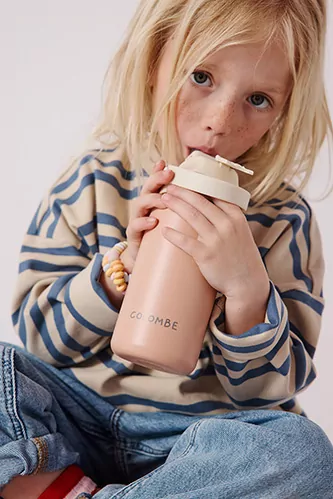
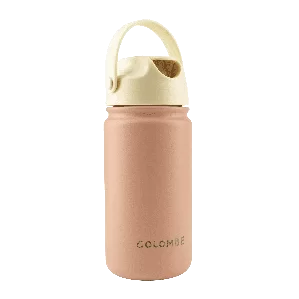
Glouglou the water bottle​

32 €

the things your little ones say

"Who tickles well, loves well!" - Camille, 2 years old

"Watch out, there's the rice warden" - Basile, 3 years old

"Mum, we're going full class" - Arsène, 4 years old

AUTHOR

leave a comment

SHARE THIS ARTICLE