










Our effective tips for resolving conflicts between brothers and sisters

Is it normal for brothers and sisters to argue?

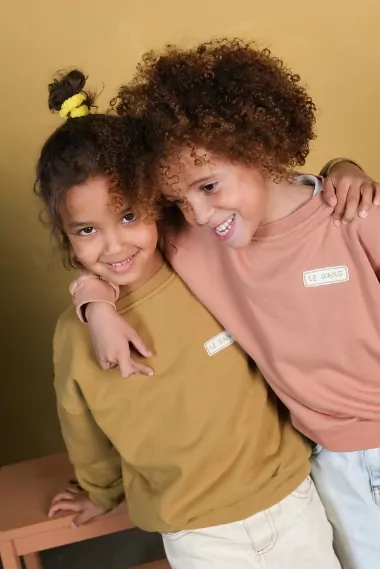
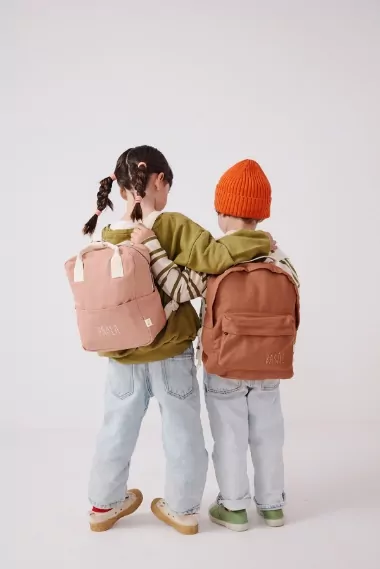
Siblings rhyme with closeness and love… but also with a few conflicts. Don't worry, it's completely normal! These little arguments are part of the game and become real learning grounds for growing up, understanding each other and learning to live with others. For parents, it isn't always easy to manage these tensions and stay calm without taking sides, but a few tips can help you get through these moments more serenely.

Our tips for resolving conflicts

Handling the situation themselves

During an argument, your first instinct would be to step in and decide who is right. Yet letting your children try to handle the situation themselves is often the best thing to do. By staying nearby without intervening immediately, you allow them to think of a way out, to look for a solution that works for both of them, and to set their own boundaries.

Your role? That of a coach. You observe, you listen, you ask questions to help them move forward… but you avoid taking sides. Little by little, they learn to negotiate, to express their needs and to find common ground.

Diverting attention in a playful way

Diverting attention can sometimes put out the fire before it gets out of hand.

Turn the argument into an interview by using the remote control as a microphone and give each child the floor. Or, play the sports commentators by analysing the situation with humour. You can even opt for the family tribunal, where each child calmly presents their version. The idea is not to mock anyone, but to defuse the tension, make the argument feel lighter and allow the children to step back.

Within a family, each child has their own way of managing emotions. Some need to talk about what they're feeling straight away, others need a quiet moment before opening up. Recognising these differences is essential for handling your children's conflicts with fairness. There is no single solution that works for everyone. Observing their reactions, understanding their needs and adapting your response to each child often helps to defuse tensions more quickly.

Adapting to each child

Nurturing the bond between your children

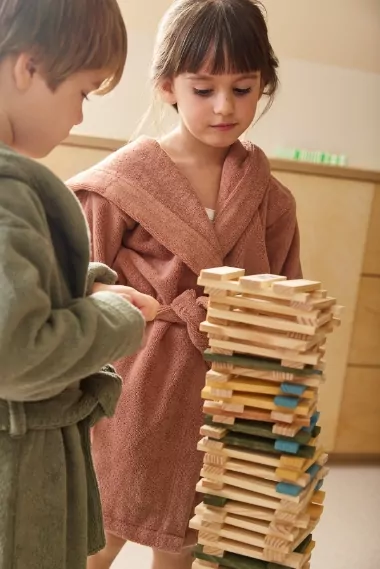
Fewer conflicts also come from more shared moments. Encourage your children to do activities together to strengthen their bond and build a positive connection, outside of arguments. Sport, music, board games, crafts, cooking… There is always something that can bring them together. Sharing a common activity encourages cooperation, shared memories and the desire to be together. And the more the bond is nurtured day to day, the more resilient it becomes when disagreements arise.

things your little ones say

« My auntie lives in a potato. (England) » - Raphaël, 2 years old

« Mum, she's the messy one (hairdresser) » - Victoire, 2 years old

« You hurt my cervicles » - Sarah, 4 years old

AUTHOR

leave a comment

SHARE THIS ARTICLE