






















reading time – 3 min

How to help your child manage back-to-school stress

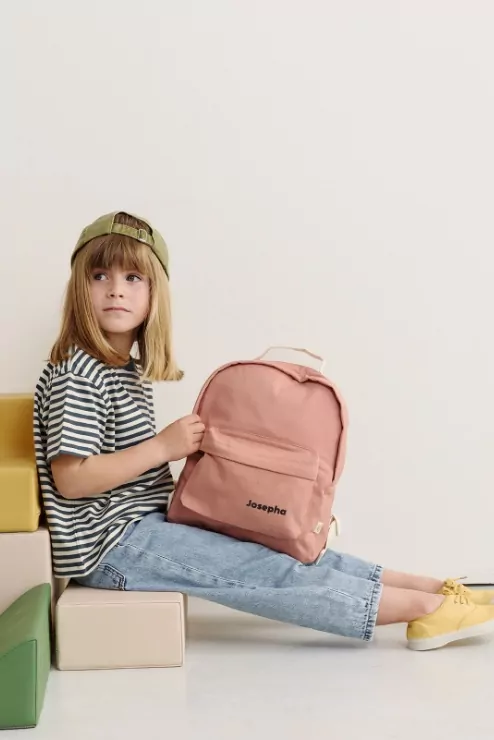
The back-to-school season is a bit like a new chapter every year: a new school bag, a new teacher, sometimes a new school. It is a leap into the unknown that can be just as exciting as it is daunting. And what if behind the morning silence or the evening meltdowns, there was hidden back-to-school stress? No need to panic — this stress is normal and it can be managed! Here are our tips to help your children handle this stress and get through the new school year with complete peace of mind.

step 1: identify the sources of stress

the telltale signs

Stress in children does not always express itself through words. It often slips into the small everyday changes that we do not necessarily notice at first glance. Sleep disturbances, loss of appetite, sudden irritability, crying for no apparent reason, stomach aches in the morning before school… These signals are little messages your child is sending you. There is no need to panic at the slightest change in mood, but staying attentive and caring already goes a long way.

the most common fears at back-to-school time

Fear of leaving parents in the morning, fear of not making friends, fear of not keeping up in class, fear of the unknown plain and simple… Every age has its anxieties, and they are all legitimate. In preschool, it is often separation that dominates. In primary school, fear of judgment and new academic demands takes over. By understanding what lies behind your child's stress, you will be much better equipped to support them with the right words at the right moment.

the importance of talking

Giving your child a space to be heard without judgment is offering them the chance to put words to what they feel, and that is incredibly liberating. There is no need to organize a big conversation around the table. The best discussions often come up in the most unexpected moments: during a walk, in the car, after the bedtime story, or even in the shower. Any excuse will do. The important thing is to be present, to not dismiss their worries, and to show them that what they feel is normal and heard.

step 2: put reassuring rituals in place

the morning ritual for a good start to the day

In the morning, everything goes fast and yet that is often where it all plays out. A gentle wake-up, a cuddle before getting out of bed, a breakfast shared together without checking the time every two minutes, a sweet word slipped into the bag or whispered in their ear before going through the gate… These small habits may seem trivial, but they form a true emotional armor for your child. A day that starts well is a day that goes better, for them as well as for you. 

a calm wind-down in the evening

After a day full of new experiences, emotions and efforts, little ones need to find themselves again and unwind. In the evening, lean into rituals that invite them to let go of the pressure: a warm bath, a quiet snack, a little story… The idea is not to fill the time, but on the contrary to empty it a little. These decompression moments are just as precious as sleep itself, and they pave the way for a more peaceful night and better recovery for the next day.

a small comforting object

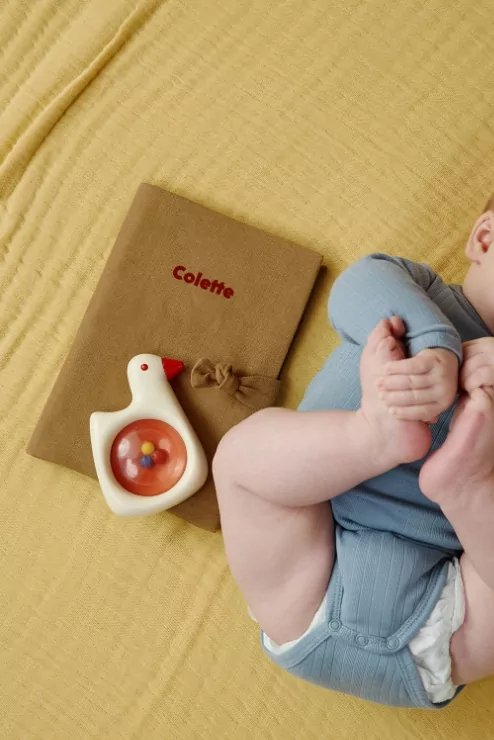
A beloved comfort toy , a little heart drawn on the hand by mom or dad, a sweet note hidden at the bottom of the bag… These little objects have an immense power. They create a link between home and school, between the safety of the household and the unknown of the day ahead. Never underestimate the power of a well-chosen and personalized comfort toy — in preschool, it can change an entire day.

step 3: anticipate and prepare for the new school year

talking about the school year ahead of time

Visiting the school or the classroom before the start of term, if possible, can make a real difference. When a child has already seen their classroom, found the bathrooms, spotted the playground and perhaps even met their teacher, the first morning feels much less like a leap into the void. If a visit is not possible, talk about it at home: tell them what the day will look like, what they will do, who they will be with, and what time they will be picked up.

make a visual schedule

A colorful weekly planner displayed in the bedroom, a timeline with pictures, a calendar with checkboxes… These visual tools help children locate themselves in time and anticipate what lies ahead. "How many sleeps until Saturday?". We all know that question. Answering it visually means giving your child the keys to understanding the passage of time and looking forward to the good moments ahead with peace of mind.

celebrating small achievements

"You were so brave this morning", "you managed to stay all day, that's amazing", "I'm proud of you"… These phrases have an immense power on children's self-confidence. It is not about over-praising every moment, but about taking the time to acknowledge the efforts, even the smallest ones. A child who feels capable moves forward more serenely. And the back-to-school season is precisely the right moment to remind them just how capable they are of so many things.

back-to-school stress is normal

The back-to-school season is a big moment for children, of course, but also for parents. That mix of joy, excitement and apprehension is something we all feel, to different degrees. And that is perfectly normal. A new class, a new routine, new faces… it takes energy and adaptation, and it does not happen overnight.

Things your little ones say

« Mommy, I'm so hot, I'm melting! »
– Camille, 4 years old

« Mommy, I think we're going to be late for my
us stop. »
– Elise, 4 years old

« Mommy, can I have a pencil to drawite please? »
– Arsène, 2 years old

AUTHOR

leave a comment

SHARE THIS ARTICLE