









Colds, flu and little ailments: How can you protect your children from the cold?

Why are children more
sensitive to the cold?

In winter, children are naturally more vulnerable. Their immune systems are still developing, and the cold means we spend more time in enclosed, dry, poorly ventilated spaces where viruses spread more easily. Low temperatures and a lack of light can also help these little viruses survive longer.

Protecting your child from the cold every day

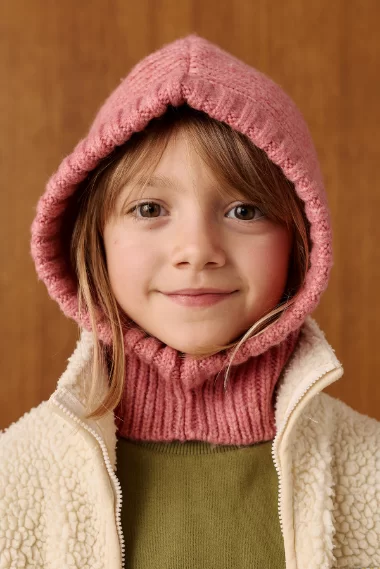
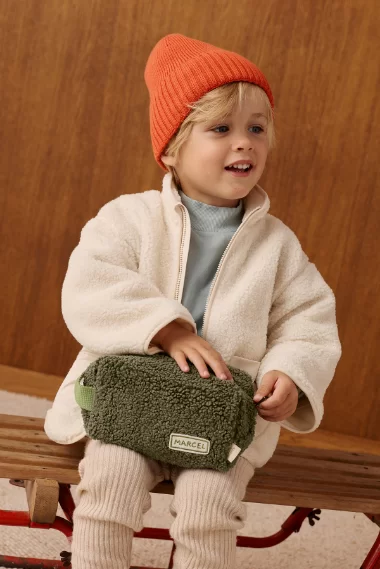
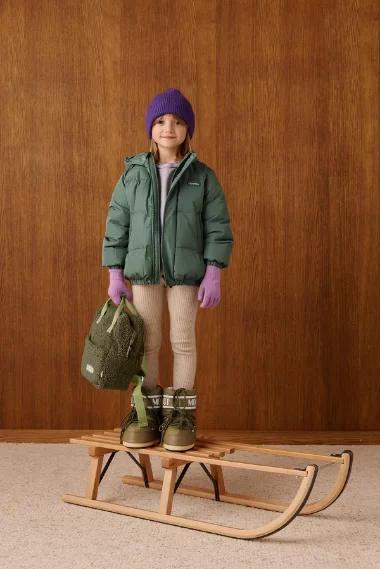
Dress in layers

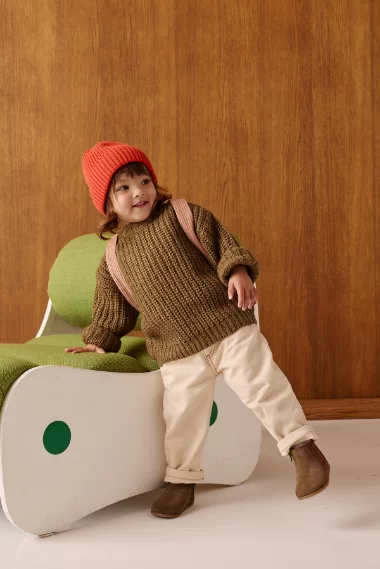
In winter, it’s better to wear several layers than one very thick garment. Choose 2 or 3 different layers. This helps retain warmth without causing sweating and lets you easily adjust your child’s outfit to the temperature and their activity!

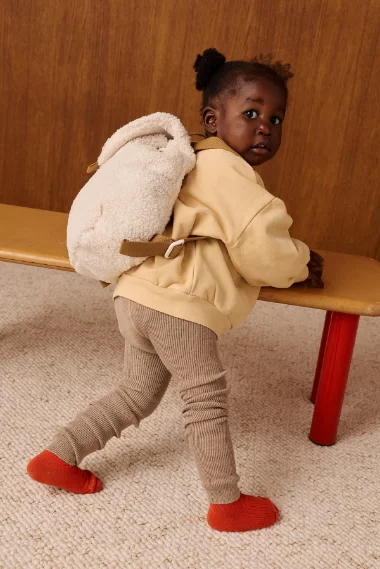
To tell whether your baby is warm enough, don’t go by their hands or feet. Instead, feel the back of their neck or upper back. If those areas are warm, they’re fine.
After an outing, always remember to remove any damp clothes and change your baby if needed to keep them comfortable and warm.

How can I tell if my baby is cold?

Creating an environment that protects
against the cold and viruses

At home, keeping your child’s room between 18 and 20°C strikes the right balance: warm enough to protect your baby from the cold without drying out the air or overheating the room. It’s just the right temperature for their comfort, health and sleep quality.

The right temperature

Cleaner air to help limit infections

In winter, we spend more time indoors, often in well-heated rooms. But ventilation is still essential. Opening the windows for 5 to 10 minutes a day, even when it’s cold outside, is enough to refresh the air, reduce humidity and limit the spread of winter viruses. Ideally, air out the house in the morning or after the kids get home from school, as the household gets back into its routine.

Everyday bedding and fabrics deserve attention too. Sheets, blankets and fabrics that come into contact with children can easily trap moisture, dust mites and germs. In winter, wash them regularly, dry them thoroughly before using them again and choose materials that are easy to care for. These small, simple steps help keep their surroundings healthier and protect children from winter’s little ailments.

Wash them away

Give their bodies a boost

Sleep: an ally in staying well

Quality sleep helps children’s bodies recover and strengthen their natural defenses. Establish a bedtime routine: a warm bath, quiet time, a soothing environment… This encourages restorative rest, which is essential for better resistance to winter viruses.

In winter, food plays a valuable role in helping children stay healthy through the season. Certain nutrients are especially helpful for their natural defenses. Vitamin C, found in oranges, kiwis and broccoli, helps the body deal with viruses. Vitamin E, found in eggs, milk and corn, supports the proper functioning of the immune system. 

There’s no need to monitor every bite: just work these foods into everyday meals. Fresh fruit at breakfast, vegetables in lunch dishes… small steps that make a difference!

Nutri
tion to strengthen their defenses

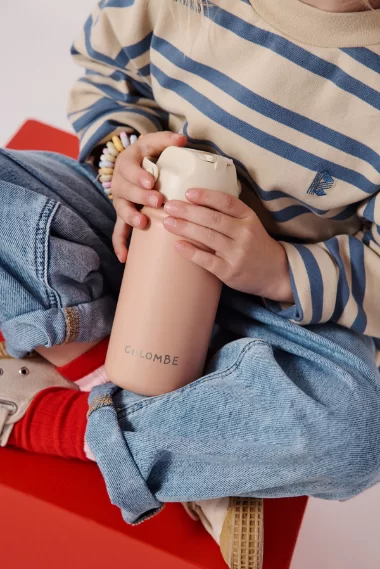
In winter, heating tends to dry out the air at home and can cause mild dehydration in little ones. Even if they ask for drinks less often than in summer, their bodies still need water to function properly and better fend off seasonal ailments. Offer water regularly throughout the day, fill their water bottle for school, and watch for signs of dehydration such as a dry mouth, tiredness or more sensitive skin

Staying hydrated, even when it’s cold!

the things your little ones say

“Mom, come look outside, there are little soldiers!” (bugs) - Lou, age 5

“Mom, I need my rain-rock jacket, it’s raining!” (raincoat) - Julia, age 3

“The chicken is delicious, Mom, I’m deliciousing it!” (it’s delicious) - Armand, age 3

AUTHOR

leave a comment

SHARE THIS ARTICLE