reading time – 3 min

The checklist of 10 things to do before the start of school

The start of the school year is a key moment in a child's life. For this new chapter to get off to a good start, proper preparation is essential. Here are the 10 must-dos not to forget before the big day.

Getting essential medical check-ups done

Before the start of school, it's the perfect time to take stock of your child's health. Take advantage of the last weeks of summer to book appointments with various specialists:

- With the general practitioner: A full check-up to make sure everything is fine and in particular to confirm physical fitness for sports activities. It's also an opportunity to check vaccinations and renew prescriptions if necessary.

- With the dentist: A bright smile on the first day of school is always better! A scale-and-polish and a check-up will allow your child to start the year with impeccable teeth.

- With the ophthalmologist: Children's eyesight can change quickly. An eye exam allows any problems to be detected in time and glasses to be purchased in advance if necessary.

- With the hairdresser: To polish the look and make your child feel truly at their best on the big day.

Tip: Try to group these appointments over one to two weeks to plan well in advance. Remember to ask for any prescriptions or medical certificates required for sport at school.


Sorting through existing supplies

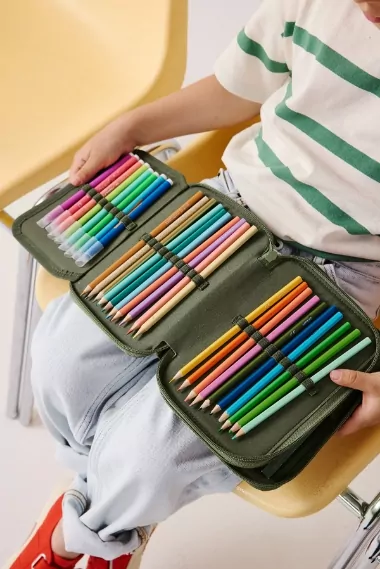
Before rushing to the shops, take the time to sort through the school supplies your child already has. You'll be surprised by what you find at the bottom of school bags! Barely used pencils, felt-tip pens and markers in good condition, tubes of glue that are practically full, or even blank notebooks. This sort-through will not only allow you to save money, but also teach your child the importance of taking care of their belongings and being responsible. It's an excellent opportunity to tidy up the school bag together and set aside what will no longer be needed.

Buying school supplies thoughtfully

Once the sorting is done, you will know exactly what is missing. Check the official list provided by the school and only buy the essentials to start:

- The classics: pens, pencils, erasers, pencil sharpeners
- Notebooks and binders according to the school level
- Specific equipment: compass, set square, calculator...

Tip: Wait for the first days of class for optional supplies. The teacher may have specific preferences regarding notebook colours or pen types.

Enrolling your child in extracurricular activities

Registrations for sports and activities generally take place at the beginning of summer and spots fill up quickly. Don't miss this moment! Basketball, athletics, tennis, dance, music, theatre... There are many choices. Check the registration calendar for your town or city and note the deadlines. Key points: Involve your child in the choice (an activity they have chosen themselves will be far more motivating). Check the timetables and days to find what fits your family schedule.

Organising after-school childcare

Whether you need a babysitter, a leisure centre, a daycare or a parents' association, places fill up fast and costs can be significant. It is crucial to plan ahead. When to start: From May or June, well before the end of the school holidays, begin your search. The earlier you start, the more choice you will have.

Choosing the first-day outfit

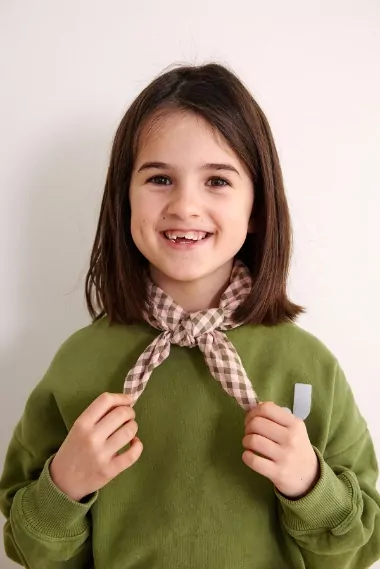
This is one of the most anticipated moments! The first outfit is symbolic. It contributes to confidence and marks the transition towards a fresh start. The importance of the choice: Involve your child in the selection. An outfit in which they feel good and comfortable will give them extra confidence on the big day. There is no need to buy new. If you have pieces in the wardrobe that your child likes and that are in good condition, that's perfect! A simple new accessory (a scarf, a belt, a pair of colourful socks) can be enough to give a feeling of newness and adventure.

Buying equipment for extracurricular activities

Depending on the chosen activities, certain equipment will be needed. Start with the essentials: sportswear, appropriate footwear, , a leotard for dance, and other equipment depending on the sport. The school or club will let you know what equipment is needed if necessary. Wait before investing in expensive equipment, as teachers may have specific preferences.

Labelling and preparing supplies

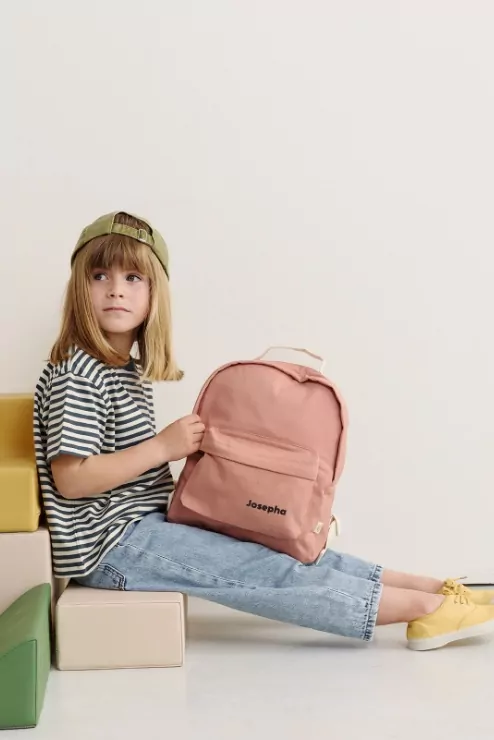
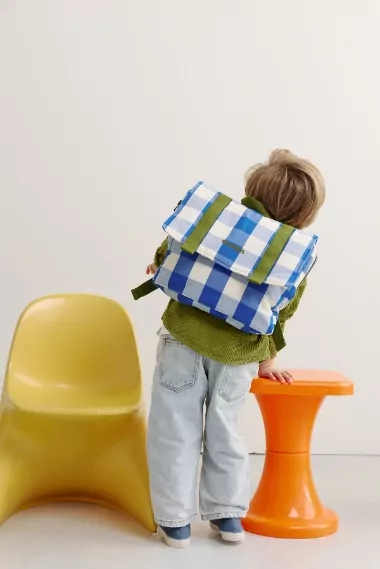
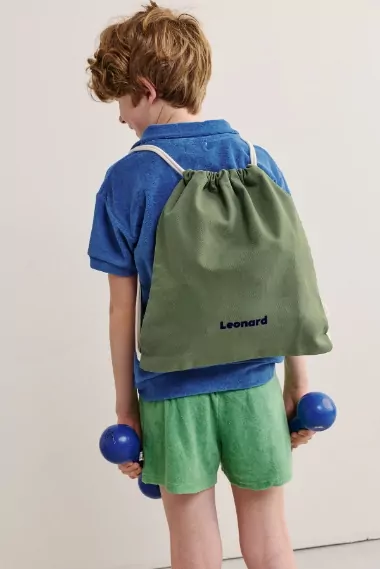
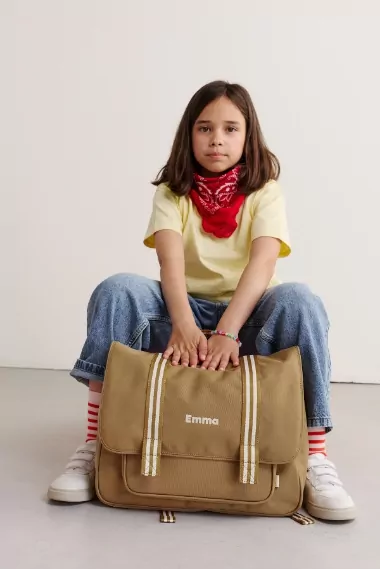
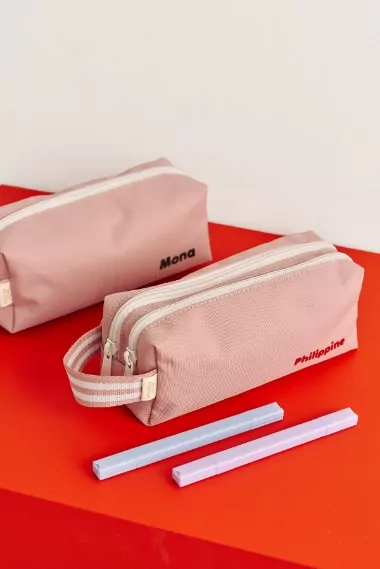
One or two weeks before the start of school, move on to concrete preparation. This helps avoid last-minute panic. To do: Label all belongings: pens, pencils, notebooks, sports clothes, jacket, water bottle... Use pretty labels with adhesive backing and write the first and last name with a permanent marker to make them last as long as possible. This prevents losses and mix-ups at school. Prepare the school bag: check that it is the right size, that it opens and closes properly, and that the zippers work correctly. Fill the supplies into pencil cases and binders so that everything is ready from day one.
Gradually getting back into good habits

Holidays and summer routines change rhythms. For a smooth return to school, gradually reintroduce good habits one to two weeks beforehand. Start with sleep and routine, a key element for a peaceful return. Gradually move bedtime earlier by 15 minutes every two to three days rather than making a sudden change. At the same time, set a regular wake-up time every morning, even on weekends, to help the body adjust to a new rhythm. On the nutrition side, reintroduce meals at regular times after the irregular meal times of the holidays. Finally, gradually manage screen time. Reduce daily screen time little by little and establish screen-free moments, especially during family dinner and before bedtime.

Setting up reassuring rituals

The start of school can be a source of anxiety and stress for your child. It is important to prepare them as best as possible and reassure them. Start talking about school a few days or weeks before the start date so they can understand and take it in. To help them get into the swing of things, create rituals: build the evening routine together, have a family breakfast in the morning… You can also create practical tools such as a weekly planner with everything that will happen during the week to help them feel oriented.

Things your little ones say

« For fractions, if you cut in two you get halves and in four you get fourths? »
– Marie, age 7

« Teacher, you look beautiful this morning! Who dressed you? »
– Théophile, age 4

« Mum, can I use your tablet (babiette)? »
– Ava, age 3

AUTHOR

leave a comment

SHARE THIS ARTICLE