Children's tooth brushing is often seen as a chore. Yet it is an essential habit to adopt from the appearance of the first teeth. And because a child's smile is worth its weight in gold, it's worth taking care of it from the very first glimmers! Camille, a dentist and mother of three young children, shares here her tips for effective and fun brushing.

tooth brushing: at what age, for how long, and which techniques?

at what age should you start brushing a child's teeth?

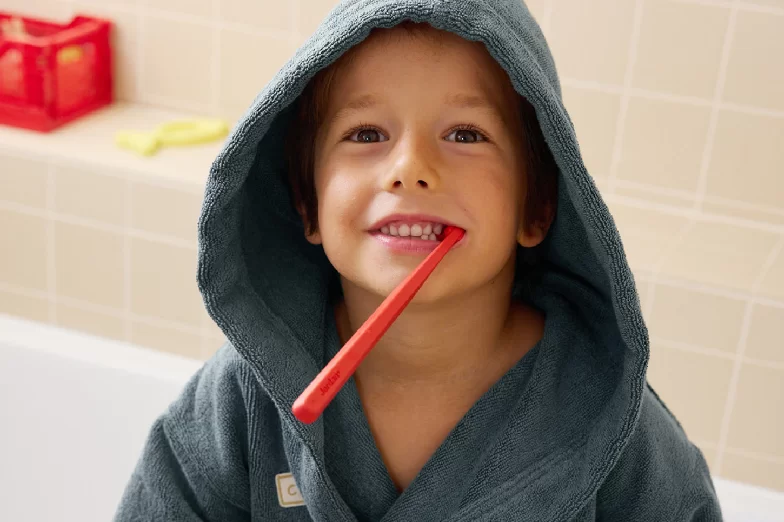
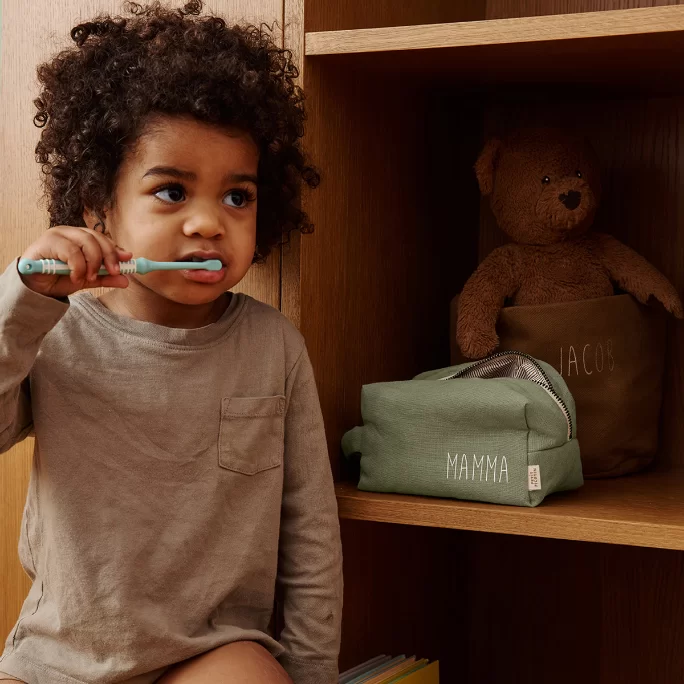
From the very first tooth! It's tiny, brand new, but it already deserves your full attention! Introduce a fun toothbrush in the bath as a game once a day. This will help your child become aware of their teeth and practise brushing.

Explain very early on the importance of this habit: "We have a bath to wash our body, we brush our teeth to keep them healthy". The earlier a child gets used to a toothbrush, the less they will see it as a chore. It will become a reflex, like putting on their slippers!

should you brush their teeth morning and evening?

Yes! From the age of two to three, it is essential to brush their teeth morning and evening. The evolution of their diet is a good indicator: as soon as they have a full meal in the evening (savoury dish and bottle), brushing becomes essential.

Brushing is like a comfort blanket for teeth before going to sleep. It should be the last thing done before leaving for school and before bedtime. No breakfast on the way or bottle of milk or juice in bed: lactose (the sugar found in milk) can cause early cavities.

what is the recommended duration?

Two minutes morning and evening, no more, no less. A little sand timer or a well-rhythmed song works perfectly.

should you let your child brush their teeth on their own?

Until the age of six, parents must carry out (or closely supervise) at least one of the two daily brushings. Until the age of ten, let them do it to learn, but of course, keep a lynx eye to check it's done properly, and go over it again if necessary.

how to brush your teeth properly?

Here are three simple and effective tips:

• all teeth, all surfaces: brush all the teeth, including the molars, and all surfaces (cheek side, tongue side and chewing surface).

• an orderly path: Always follow the same order (left to right, top then bottom). This routine will become automatic.

• from red to white: Brush vertically, from the gum towards the tooth. This movement prevents the build-up of bacteria at the neck of the tooth, a fragile area.

children's tooth brushing: the right toothbrush and the right toothpaste

which toothpaste should you choose?

Before the age of two, there's no need to use toothpaste, as the child must first learn to spit. From the age of two, choose a toothpaste with a fluoride level appropriate for their age. Camille's little tip: toothpastes in refillable bottles are eco-friendly and they save you the hassle of a poorly closed cap... Just saying!

As for flavour? Strawberry, banana or mild mint, choose the one that makes them smile!

what type of toothbrush should you recommend?

Once brushing becomes regular, opt for an electric toothbrush. It is more effective and often more fun for children. Don't forget to change the head every three months or when the bristles are worn.

games and rituals to make them want to brush their teeth

Tooth brushing can become a moment of pleasure with a little imagination:

• the tooth song: a two-minute nursery rhyme that comes back every day.

• sand timers and fun apps: use colourful sand timers or mobile apps that show the right techniques.

• the "toothbrush dinner" : turn brushing into a game: "The brush is going to gobble up everything stuck in your teeth, yum!". This stimulates their imagination while instilling good hygiene habits.

One last tip: brush your teeth at the same time as your child. Imitation remains the best teacher!

because a toothbrush,
deserves a lovely toiletry bag

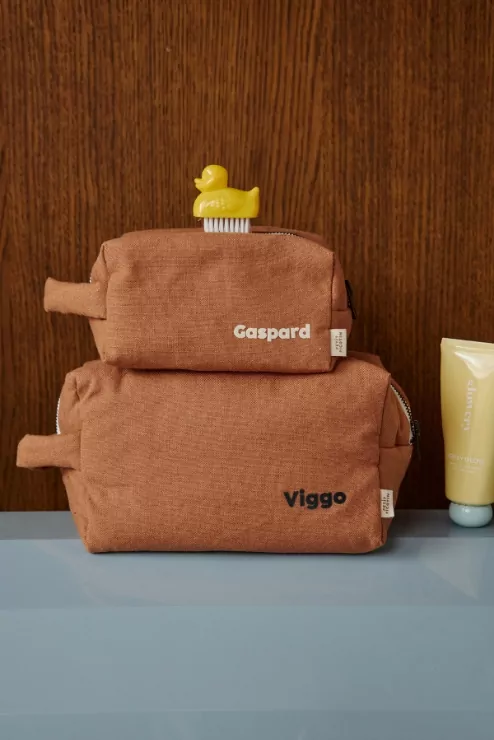
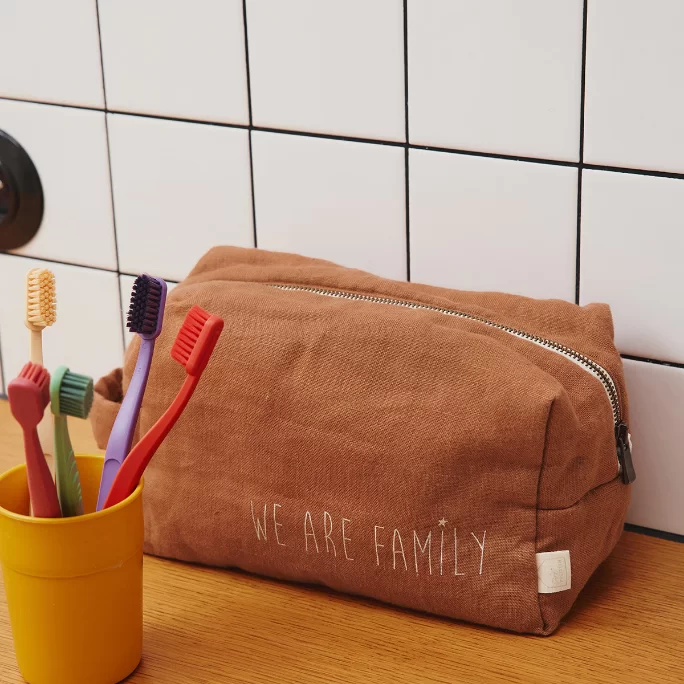
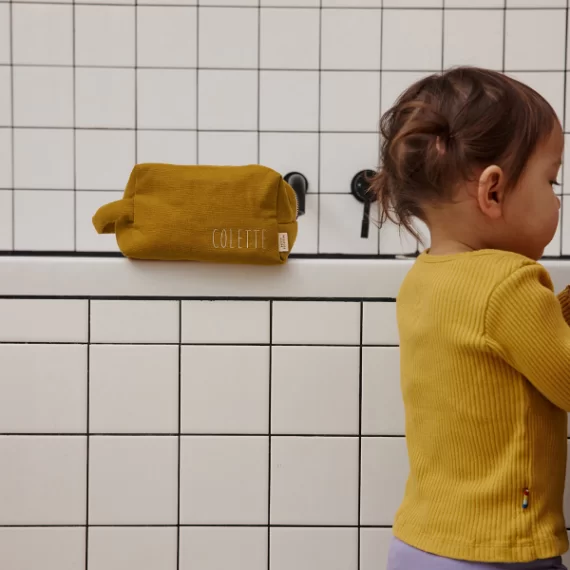
Slip their toothbrush and toothpaste into the lovely Paulette, our toiletry bag. It comes in two sizes, one each or one for the whole family — the choice is yours!

Perfect for not losing your toothbrush at the bottom of the bag during a weekend at the grandparents'!

FREQUENTLY ASKED QUESTIONS

why should you brush your teeth every day?

Each tooth is a living organism that needs to be protected. Foods introduce bacteria that can cause cavities if they are not eliminated. A cavity on a baby tooth can hurt, it makes chewing harder… And it costs a lot in kisses at the dentist's office.

is it dangerous to brush your teeth too often?

Yes, too much brushing can damage the gums and cause teeth to loosen. Dentists recommend not exceeding three brushings per day.

should you brush your tongue?

Some dentists recommend it for better oral hygiene, as the tongue can harbour bacteria responsible for bad breath. However, it is not essential for children.

what foods cause cavities?

Sugar is the main culprit. Be careful though, it doesn't hide only in sweets: chips, processed foods, fruit juices and fizzy drinks contain it too. A tip: encourage your child to drink a glass of water after eating something sugary to limit the damage.

at what age should you see a dentist?

The first visit is recommended from the age of three. Health Insurance normally invites parents to this appointment, which is covered 100%. These dental check-ups continue until the age of 24 with regular appointments. These visits help detect cavities and prevent dental problems.

For example, from the age of six or seven, when the first permanent molars appear, a sealant can be applied to protect the grooves of the teeth.

One last piece of advice for parents: keep smiling. If you are relaxed, they will be too. A reassuring phrase like "it'll be quick, just a little visit" is enough to change everything!

FREQUENTLY ASKED QUESTIONS

Each tooth is a living organism that needs to be protected. Foods introduce bacteria that can cause cavities if they are not eliminated. A cavity on a baby tooth can hurt, it makes chewing harder… And it costs a lot in kisses at the dentist's office.

Yes, too much brushing can damage the gums and cause teeth to loosen. Dentists recommend not exceeding three brushings per day.

Some dentists recommend it for better oral hygiene, as the tongue can harbour bacteria responsible for bad breath. However, it is not essential for children.

Sugar is the main culprit. Be careful though, it doesn't hide only in sweets: chips, processed foods, fruit juices and fizzy drinks contain it too. A tip: encourage your child to drink a glass of water after eating something sugary to limit the damage.

The first visit is recommended from the age of three. Health Insurance normally invites parents to this appointment, which is covered 100%. These dental check-ups continue until the age of 24 with regular appointments. These visits help detect cavities and prevent dental problems.

For example, from the age of six or seven, when the first permanent molars appear, a sealant can be applied to protect the grooves of the teeth.

One last piece of advice for parents: keep smiling. If you are relaxed, they will be too. A reassuring phrase like "it'll be quick, just a little visit" is enough to change everything!

your little ones' phrases

"Mummy, if I have a little sister she'll be in your tummy, and if it's a little brother he'll be in daddy's tummy" - Sacha, age 3

"Mummy I love you for always and forever" - Victor, age 4.5

"Mummy, I'm going to put a plaster on you if you have a headache" - Valentine, age 2.5

AUTHOR

comments

Mathilde said : on

Super article, de bons conseils comme on adore !

leave a comment

SHARE THIS ARTICLE